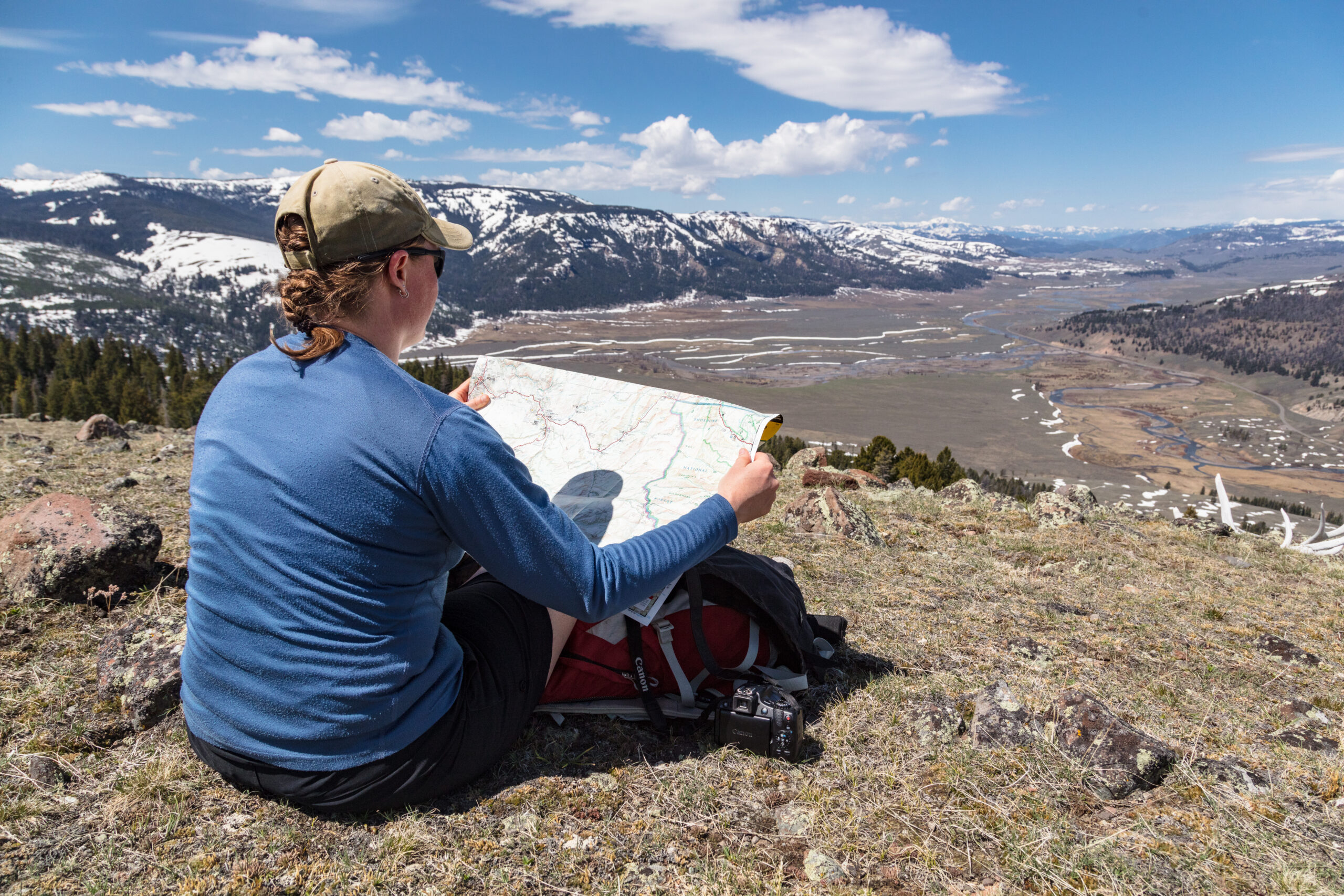
The hike begins at 8:15 a.m. with a map open on the kitchen table. By nine, the hiker has compared three trailheads. By ten, he has read a discussion about parking at each of them. At eleven, rain appears in one forecast but not another.
He makes coffee and checks the weather again. A photograph of a creek crossing leads to twenty minutes of research into water levels. A review mentions mosquitoes. He finds six other reviews that do not.
At 1:30 p.m., his boots are still by the door. He has learned a great deal about trails he has not visited. He feels vaguely tired, as if decisions themselves have elevation gain.
So he chooses the closest path, a modest loop he knows well. He takes water, a light layer, and the forecast seriously. He walks for forty minutes. The creek is low; the mosquitoes seem to have other plans. He returns before dinner with no dramatic photograph.
There is pleasure in planning a trip, and planning matters when conditions demand it. But the nearby walk had not required a five-hour feasibility study. The next weekend, he picks a route on Friday, checks conditions on Saturday, and leaves before he can begin reading about the relative merits of every sock he owns.
Leave a Reply