After reading that some trees live for thousands of years, a man becomes convinced he should have bought into forests at the beginning. He calculates the appreciation on a grove acquired seven millennia ago and briefly forgets that land ownership, money, and his own existence would have posed obstacles.
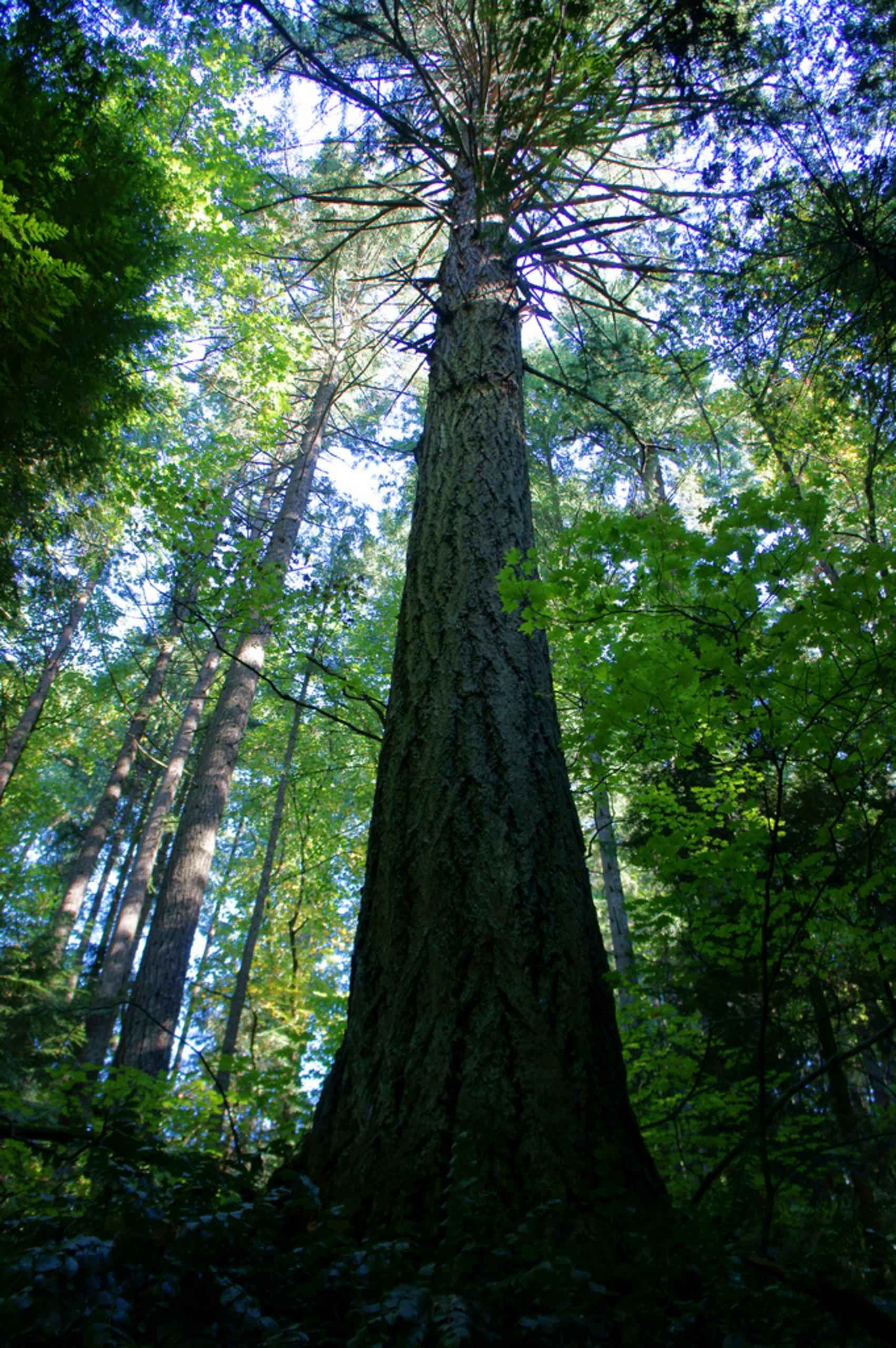
He brings this theory to a woodland walk. His companion asks him to stop checking imaginary returns and look up. Above them, an old tree supports moss, insects, and a bird working its way along the bark. The scene does not resemble an asset class from ground level.
The man considers buying a tiny parcel somewhere. Then he learns how much it takes to care for land well: understanding its history, respecting existing communities and access, removing invasive plants, and working with people who know the local ecosystem. Preservation is ongoing work, not a purchase made once and admired forever.
He makes a less dramatic decision. He volunteers for a trail day with a local group and asks what support would actually help. On Saturday, he spends two hours pulling an invasive plant beside people who know its name and how stubbornly it returns.
The oldest tree on the trail remains entirely indifferent to his missed opportunity. He goes home tired, with muddy gloves and a better sense of what an investment in a forest might mean now.
Leave a Reply