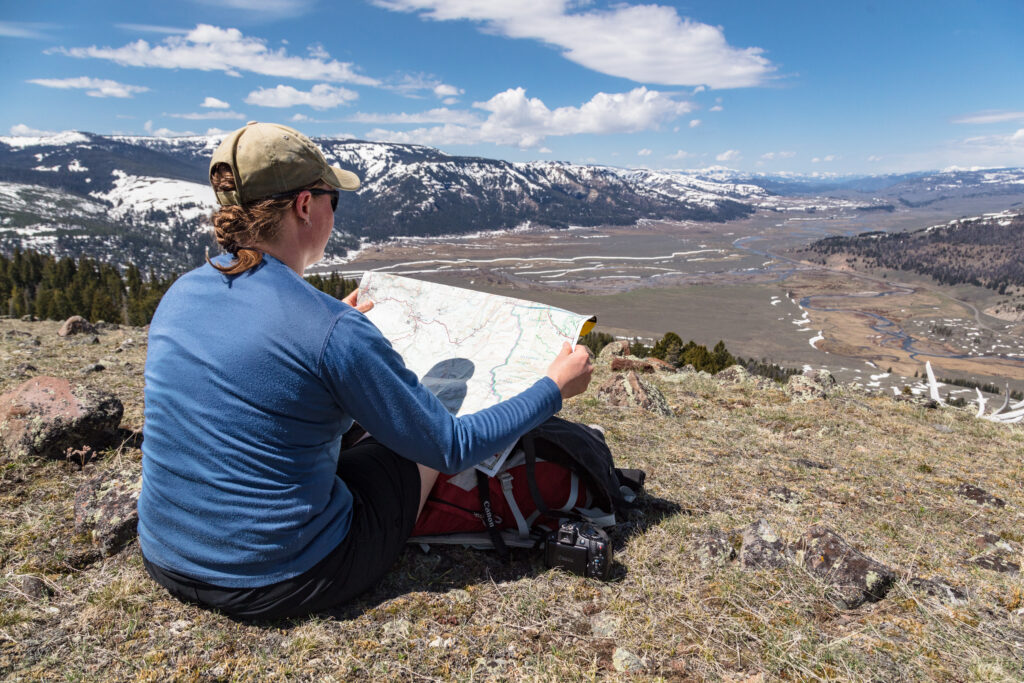
A hobby becomes a personality gradually.
At first, someone goes hiking.
Then they buy hiking shoes.
Then a backpack.
Then a smaller backpack for shorter hikes.
Then a larger backpack for trips where the small backpack would be inappropriate.
Then they begin saying base weight in normal conversation.
There is nothing wrong with loving hiking.
The warning signs appear when the hobby develops inventory management.
1. They Own Multiple Backpacks Whose Purposes Differ by One Day
This is the day-hike pack.
This is the fast day-hike pack.
This is the overnight pack.
This is the two-to-three-night pack.
This is the winter pack.
This is the travel pack that can hike.
This is the hiking pack that can travel.
You ask why the 28-liter pack cannot do what the 32-liter pack does.
The friendship is briefly evaluated.
2. They Know Their Base Weight
Base weight generally means the weight of backpacking gear excluding consumables such as food, water and fuel, and often excluding items worn on the body.
Your friend knows theirs.
Not approximately.
They know it to the decimal.
A kitchen scale has been involved.
Several perfectly functional objects were judged by mass.
One toothbrush has had a difficult year.
3. They Have a Sock System
Normal people own socks.
Hiking Person has:
- liner socks;
- light-cushion merino socks;
- medium-cushion merino socks;
- warm socks;
- camp socks;
- backup dry socks;
- socks that performed badly on the Superior Hiking Trail and are no longer trusted.
Do not refer to all of these as socks.
Some have been through things.
4. They Ask for Elevation Gain Before Mileage
“How long is the hike?”
“Eight miles.”
Pause.
“How much gain?”
This is not unreasonable.
Eight flat miles and eight miles with 4,000 feet of climbing are very different days.
The personality clue is the speed of the follow-up.
Distance alone is now considered incomplete data.
Your friend cannot emotionally process a trail until the vertical component has been supplied.
5. They Use the Phrase “Dialed In”
The sleep system is dialed in.
The layering system is dialed in.
The food carry is almost dialed in.
The water setup was dialed in until the filter changed.
This phrase means the person has repeatedly adjusted gear until the arrangement feels efficient and personal.
It is useful language.
It is also the moment you realize the backpack is being discussed like a race car.
6. They Own a Sit Pad
A sit pad is a small piece of foam used to keep a person’s rear end off cold, wet or rough ground.
This is sensible.
It weighs very little.
The hiking-personality element appears when the pad emerges at lunch with the quiet efficiency of a professional tool.
You sit on a rock.
They sit on closed-cell foam.
No words are exchanged.
Civilization has separated into two branches.
7. Their Car Has a Trailhead System
There is a bin for shoes.
A bin for emergency gear.
A towel.
A water jug.
An extra layer.
Bug spray.
Sunscreen.
A changing cloth.
A small trash bag.
Possibly a duplicate headlamp because the other headlamp has become unreliable.
The vehicle is no longer transportation.
It is trailhead support infrastructure.
This is especially impressive when the car is a Subaru, because the stereotype has now achieved full operational status.
8. They Refer to Twelve Miles as “Not Too Bad”
Context is doing enormous work.
Twelve miles on easy terrain can be perfectly reasonable for an experienced hiker.
But there is a tone.
“Not too bad.”
You look at the map.
There are mountains.
The weather forecast contains the word wind.
Your companion has already packed lunch.
You are learning that distance is socially relative.
9. They Have Strong Feelings About Trekking-Pole Grip Material
Cork.
Foam.
Rubber.
This was not previously an ideological axis in your life.
Now someone is explaining moisture management, winter comfort, hand fatigue and the way cork conforms over time.
The information is probably correct.
That is the problem.
You are beginning to care.
The hiking personality is transmissible.
10. They Can Turn Any Conversation Into a Trail Recommendation
You mention Wisconsin.
They mention the Ice Age Trail.
You mention California.
They have opinions about the eastern Sierra.
You mention a work trip to Phoenix.
There is apparently a trail forty minutes from the hotel.
You mention knee pain.
Three lower-elevation loops appear.
This is not malicious.
They genuinely want you to have a good time outside.
That is why the personality is difficult to object to.
It comes with maps.
The Difference Between Prepared and Insufferable
Preparedness is good.
Knowing elevation gain is good.
Having proper socks is good.
Carrying safety gear is good.
Using trekking poles is good.
Choosing an appropriate trail is good.
The joke is not competence.
The joke is what happens when optimization develops lifestyle branding.
If your friend has made hiking their whole personality, the upside is substantial.
They probably know where to park.
They brought water.
There is an extra layer in the car.
They checked the weather.
They have a headlamp.
They know the trail junction everyone else misses.
And if you become tired, they almost certainly have a very specific snack.
The price is that you may hear the phrase base weight before breakfast.
This is survivable.
Research notes
- “Base weight” is a commonly used backpacking term for carried gear weight excluding consumables such as food, water and fuel; exact personal definitions vary.
- Elevation gain, route conditions, weather and terrain all materially affect hiking difficulty.
- Trekking poles, sit pads, layering and gear organization are legitimate tools. The satire is aimed at identity/optimization culture, not safety or accessibility.
Related: 12 Hiking Terms Designed to Conceal How Miserable the Next Hour Will Be · 10 Hiking Pants to Shit Yourself In · 10 Hiking Socks to Spend an Unreasonable Amount of Money On



Leave a Reply