Tag: Plants
-
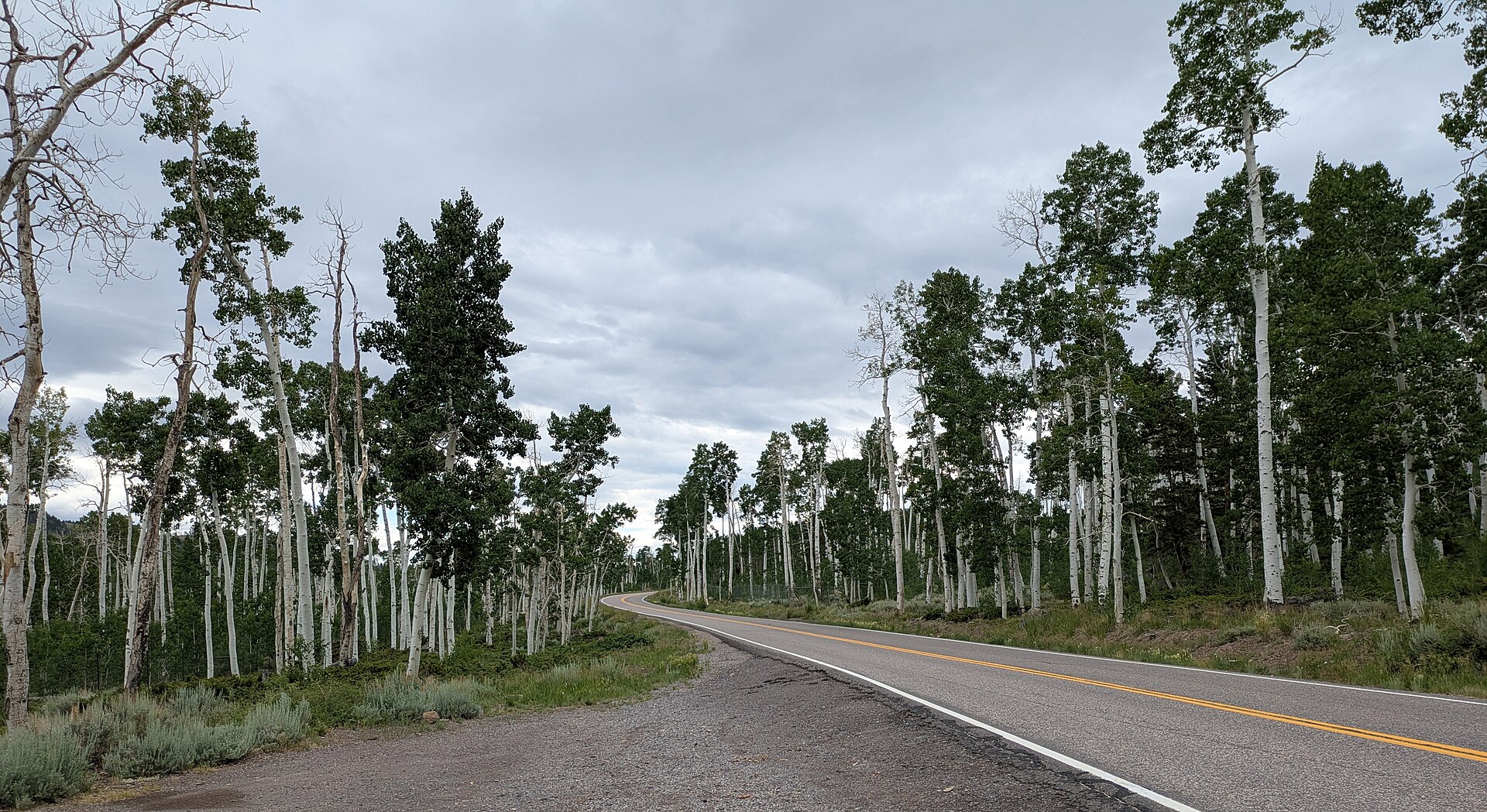
The first problem is the word **tree**. You walk into an aspen grove and see hundreds or thousands of pale trunks.
-
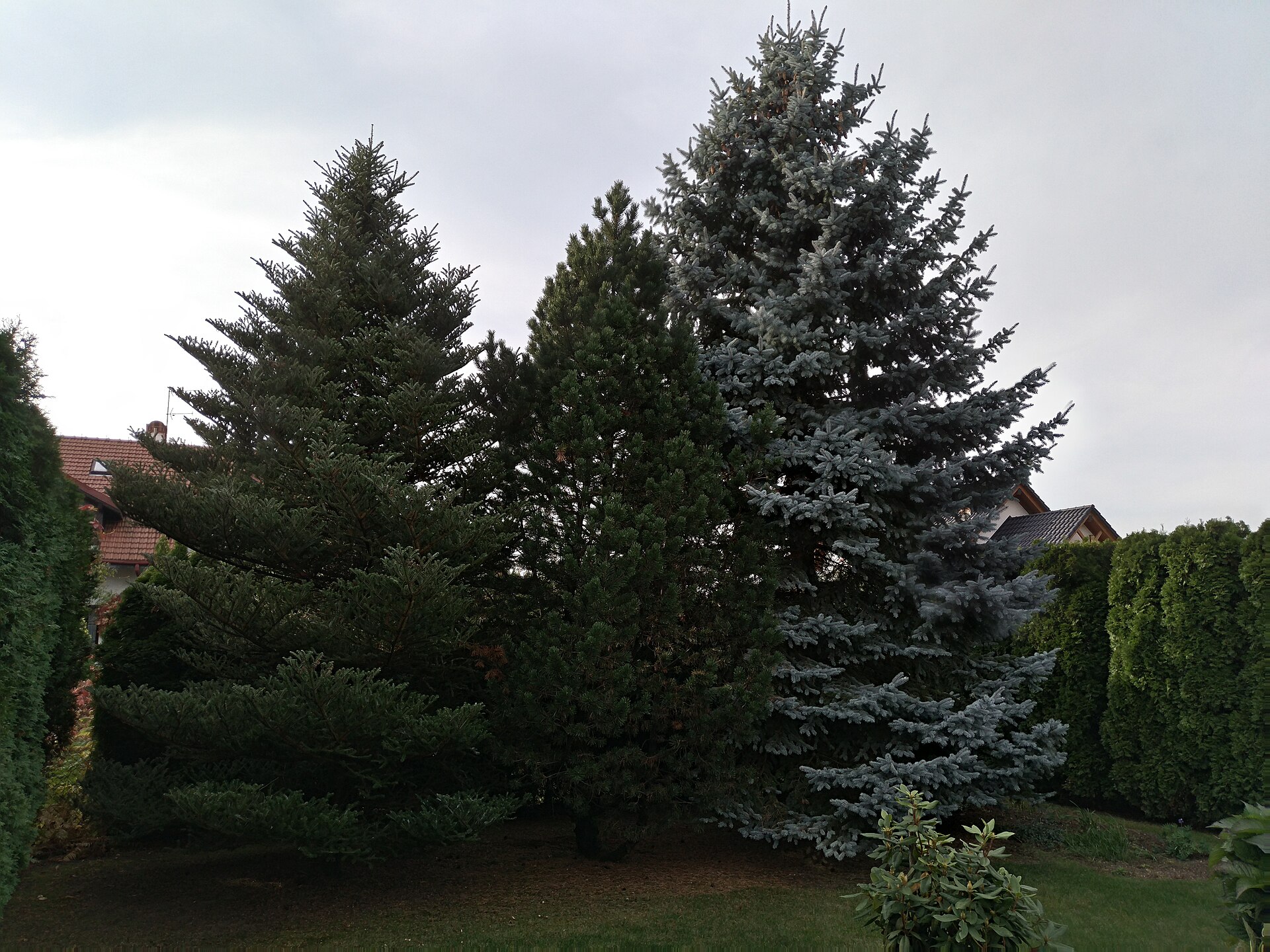
There is a common tree-identification system in North America. If it has needles, call it a pine tree.
-
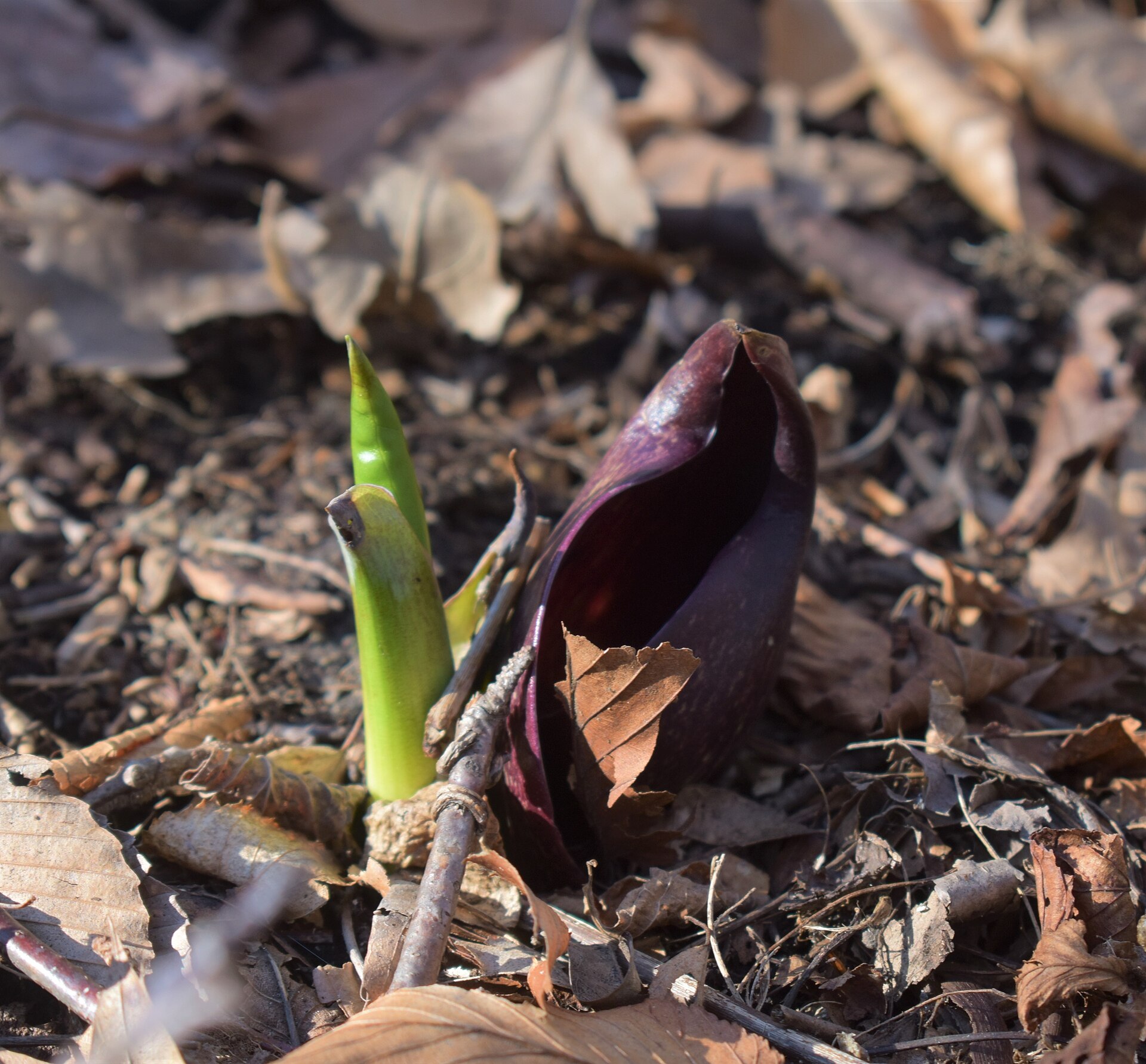
Late winter in a wet forest looks mostly inactive. Snow. Mud. Dead leaves. Gray trunks. Then, in a saturated patch of ground, a strange purple hood pushes upward.
-
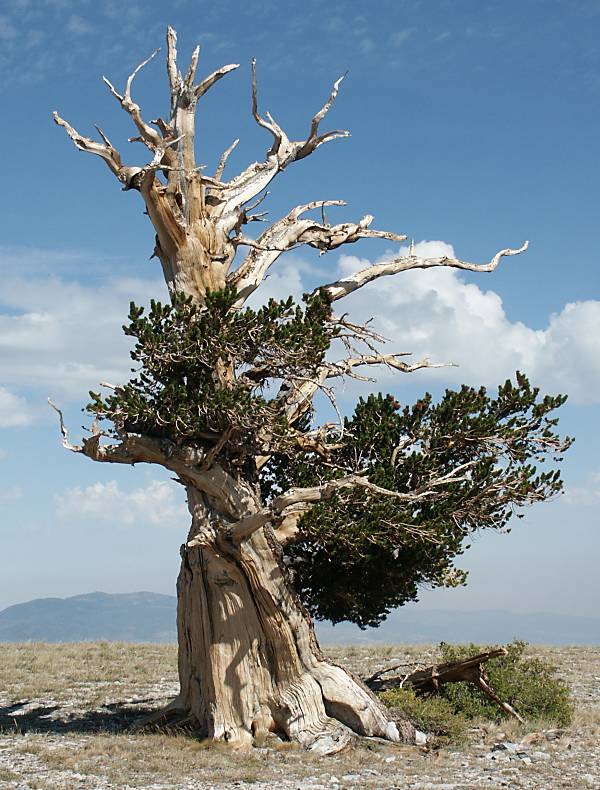
The oldest bristlecone pines do not look successful. They are twisted. Partly dead. Often short. Exposed wood is sandblasted smooth by wind and ice.
-

A wildflower is doing several jobs at once. It is feeding pollinators, producing seed, storing energy, interacting with fungi, competing with neighbors, and trying to complete reproduction before weather, herbivores or…
-
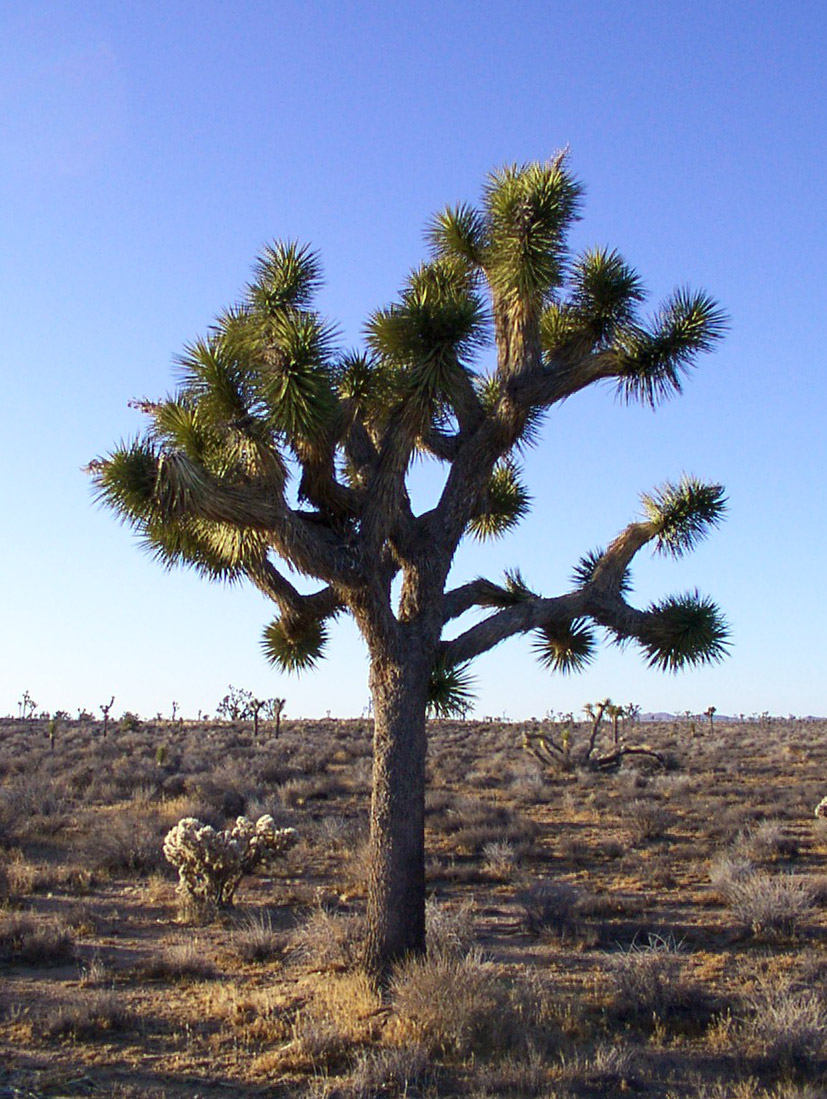
A Joshua tree looks like someone tried to build a tree from verbal instructions. Tall trunk. Branches.
-
Beds have spent centuries solving a straightforward engineering problem: provide a relatively flat surface.
-
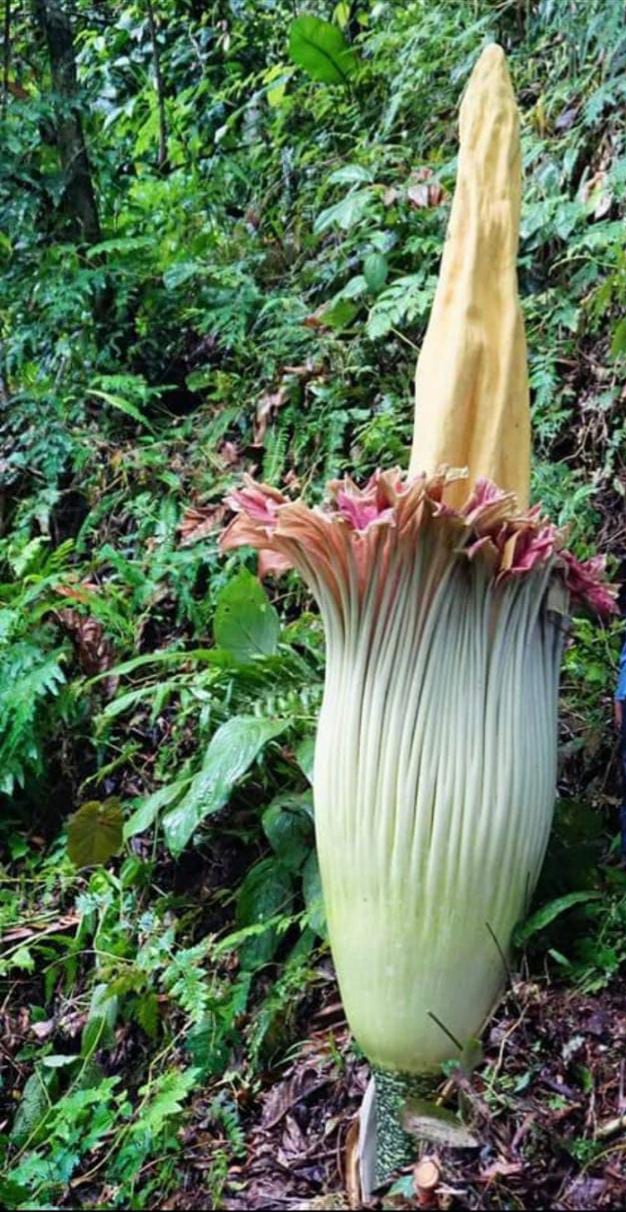
The corpse flower spends years preparing to smell terrible. This is commitment. A mature plant stores energy underground in a corm that can weigh well over a hundred pounds.
-
A North American porcupine reiterated Thursday that it cannot shoot its quills, expressing frustration that the misconception remains active despite what officials called “an extraordinary amount of available…